
Ask a site superintendent what slows a project down, and fuel rarely makes the list. Yet an excavator that runs dry at 10 a.m. or a generator that quits overnight can stall a crew as surely as a late shipment of rebar.
Refueling feels routine until it goes wrong. Machines burn diesel all day, and that fuel has to come from somewhere, whether it’s a delivery truck, a pickup loaded with jerry cans, or a stationary tank parked near the work area.
This article looks at one option that has become a familiar sight on job sites: the cube-style fuel tank. We’ll cover how it works, why it keeps equipment moving, and what to think about for containment, safety, and placement.
What a Cube Fuel Tank Actually Is
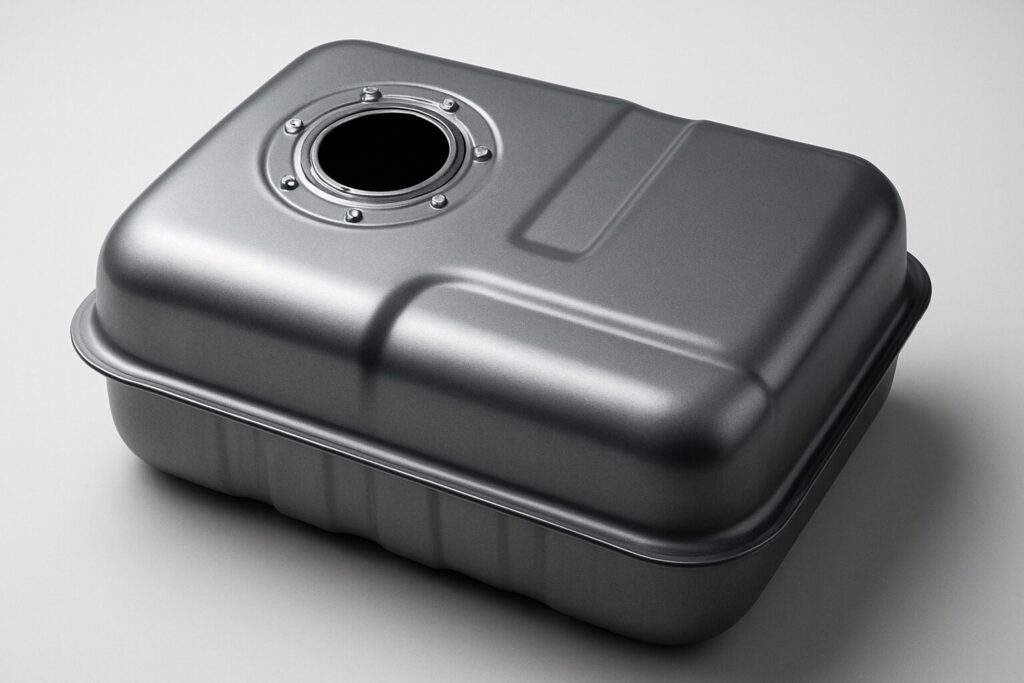
A cube fuel tank is a compact, stationary aboveground tank built into a boxy, cabinet-style enclosure. Some manufacturers spell it “Kube.” The shape keeps the footprint small, so the unit fits easily beside a laydown area or equipment yard.
Manufacturers such as Tex-Tanks build these around a double-wall design, where a weatherproof outer shell acts as built-in secondary containment. A lockable cabinet encloses the hose and nozzle, so crews can fuel machines while the unit stays secured.
Picture a small civil crew with two skid steers, a compactor, and a light tower. One tank at the edge of the yard can serve the whole group for the length of the job, depending on its size and how hard the machines work.
Keeping Machines Running Without Waiting on Deliveries
The biggest benefit of on-site fuel storage is simple: crews stop waiting. When fuel is already on site, refueling happens at the start or end of a shift instead of whenever a truck shows up, which cuts idle time.
Think of a road-widening project with a dozen machines working along a long corridor. Sending an operator offsite to fill cans burns paid hours, while a tank at the staging area turns refueling into a quick stop on the way back to the work face.
Bulk storage also makes consumption easier to follow. When fuel comes from one controlled source, it’s simpler to keep a basic fuel log and notice when a machine suddenly drinks more than usual.
Containment and Spill Prevention
Fuel spills on construction sites are rarely dramatic. They usually start small, with a drip at the nozzle, an overfilled equipment tank, or a worn hose, and they add up quickly near drains and bare soil.
That is why containment is part of the tank’s design rather than an afterthought. A double-wall tank catches leaks from the inner vessel, so crews don’t need to set out separate drip pans or basins.
On the regulatory side, the U.S. Environmental Protection Agency’s Spill Prevention, Control, and Countermeasure rule applies to facilities that store more than 1,320 gallons of oil in aboveground containers of 55 gallons or larger and could reasonably affect navigable waters. Built-in containment is one piece of that picture, since the rule also covers a written plan, inspections, records, and training.
Safety, Security, and Placement
Fuel is flammable, so where a tank sits matters as much as how it’s built. OSHA’s construction standard on flammable liquids covers storage and handling, including fire protection during the fueling of mobile equipment, and local fire marshals often add requirements of their own.
Security is the other half of the story. Fuel is easy to lose on an unattended site, and a locked cabinet with a protected hose opening keeps the nozzle out of casual reach.
Placement is mostly common sense. Look for level ground, clear truck access for refills, distance from ignition sources and storm drains, and enough room for machines to pull up without backing across foot traffic. A spill kit and fire extinguisher kept close to the tank are inexpensive habits that pay off.
Maintenance, Inspection, and Moving the Tank
Fuel systems stay dependable when someone looks at them regularly. Some cube designs include a removable inner tank, which makes cleaning and inspection easier because the vessel can come out of the cabinet.
Mobility is the other practical detail. Four-way forklift pockets let a crew lift and reposition an empty tank with equipment already on site, which helps when work shifts from one phase of the project to the next.
A short daily walk-around goes a long way. Check the hose, nozzle, cabinet, and ground for drips or staining, then note anything unusual in the log, because small leaks are cheap to fix and expensive to ignore.
Choosing the Right Setup for Your Site
Start with how much fuel your equipment actually burns. A site with a few light machines has different needs from one running a full earthmoving fleet, so capacity, pump type, and fuel type should follow real usage.
Next, consider who will use the tank and how often it will be refilled. If you’re comparing designs, the cube tank lineup is a useful reference for how containment, a locking cabinet, and forklift pockets come together in one compact unit. Ask any supplier for capacity, pump options, and compliance details that apply in your area.
Finally, talk to your local fire marshal or environmental agency early. A quick conversation before the tank arrives is far easier than a retrofit after an inspection.
Final Thoughts
Refueling isn’t glamorous, but it quietly shapes how smoothly a job runs. A cube-style fuel tank gives crews a nearby, controlled source of fuel, with containment and security packed into one compact unit.
The best results come from pairing the equipment with good habits: sensible placement, regular inspections, and a clear understanding of the rules that apply to your site. Get those right, and refueling fades into the background, which is exactly where it belongs.
What You Need to Know
- A cube fuel tank is a compact, stationary aboveground tank designed to fit easily beside a laydown area or equipment yard.
- The tank’s double-wall design provides built-in secondary containment to prevent fuel spills on construction sites.
- On-site fuel storage eliminates the need for crews to wait for delivery trucks, reducing idle time and improving efficiency.
- Fuel tanks must be placed on level ground, away from ignition sources and storm drains, with clear access for refills.
- Regular maintenance and inspections of the fuel tank help ensure its reliability and identify small leaks before they escalate.
- Choosing the right fuel tank setup depends on the fuel consumption of the equipment, the frequency of refills, and compliance with local regulations.