
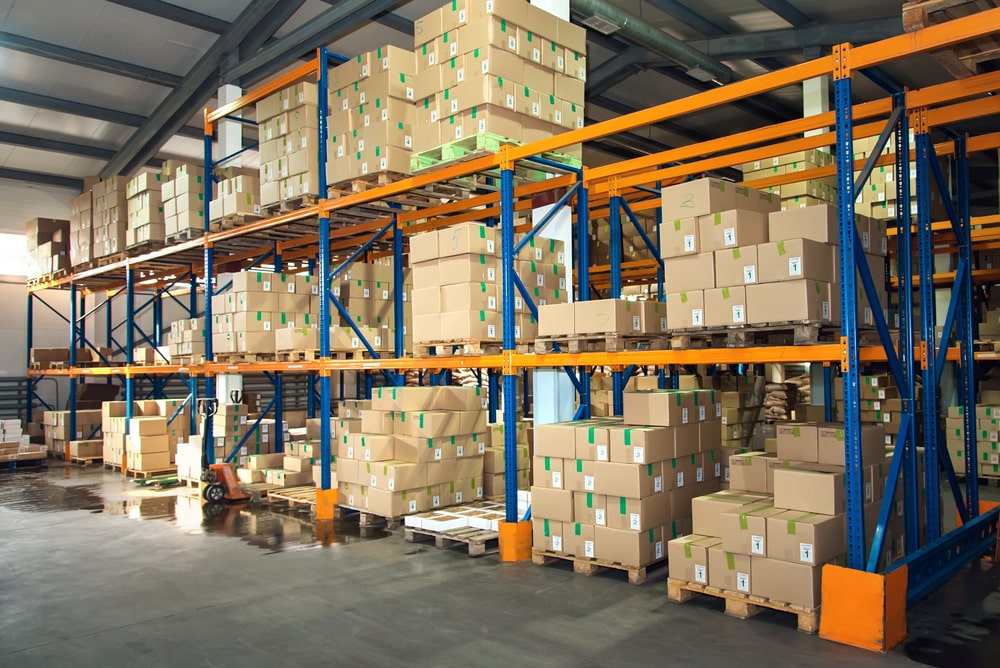
Welcome to the ultimate guide for finding a warehouse in the USA. Whether you’re an ecommerce entrepreneur, business owner, or supply chain professional, this comprehensive guide is your go-to resource for understanding 3PL Warehouses and selecting the right fulfillment solution for your business.
In a world driven by online shopping, fast shipping expectations, and increasingly complex logistics networks, securing the right warehouse partner has never been more important. The right third-party logistics provider such as https://www.fulex.com can improve inventory management, streamline order fulfillment, reduce shipping costs, and enhance customer satisfaction.
Throughout this guide, we’ll walk you through everything you need to know. From understanding warehouse operations and logistics terminology to evaluating warehouse locations, calculating storage requirements, assessing fulfillment capabilities, and understanding pricing structures, this resource is designed to help you make informed decisions.
Whether you need temporary storage, long-term warehousing, ecommerce fulfillment, or a national distribution hub, this guide will help simplify the process and position your business for long-term success.
Why Should You Consider A 3PL Warehouse In The US?
The warehousing industry in the United States has experienced substantial growth over the last decade, driven by ecommerce expansion, increased consumer demand, and the need for faster order fulfillment. The steady growth of warehouse infrastructure across the country reflects the critical role warehousing plays in modern supply chains.
Several factors have contributed to this expansion. The number of businesses utilizing warehouse services has continued to increase, while employment throughout the logistics and fulfillment sector has also grown significantly. As online retail continues to expand, businesses increasingly rely on third-party logistics providers to manage inventory storage, distribution, and shipping operations efficiently.
Technological advancements have also transformed warehouse operations. Automation, warehouse management systems, barcode scanning, and inventory tracking tools have improved efficiency while enabling warehouses to process larger volumes of inventory and orders.
The continued growth of the warehousing and storage market demonstrates the increasing demand for fulfillment services throughout the United States. At the same time, declining warehouse vacancy rates indicate strong demand for strategically located facilities that can support modern distribution requirements.
The growth of the warehousing industry highlights the importance of 3PL warehouses in supporting ecommerce businesses, retailers, manufacturers, and distributors seeking efficient inventory management and nationwide shipping capabilities.
Best 3PL Locations In The US For Your Business
When evaluating warehouse locations, geography plays a critical role in determining shipping speed, transportation costs, and customer satisfaction. Strategic warehouse placement can improve delivery performance while reducing overall logistics expenses.
Los Angeles, California
Southern California serves as one of the most important logistics gateways in the United States. Its proximity to major international trade routes and extensive transportation infrastructure makes it an attractive location for businesses managing global supply chains and import operations.
Chicago, Illinois
Chicago offers exceptional access to national transportation networks. Its central location allows businesses to reach both East Coast and West Coast customers efficiently while benefiting from extensive rail, highway, and intermodal connectivity.
Dallas, Texas
Dallas is recognized for its strong transportation infrastructure, business-friendly environment, and central location within the United States. The region supports efficient trucking routes and provides excellent access to major domestic markets.
Atlanta, Georgia
Atlanta serves as a major logistics hub in the Southeastern United States. Its transportation network, airport infrastructure, and proximity to major shipping routes make it an ideal location for regional and national distribution operations.
New Jersey / New York
The Northeast corridor provides access to one of the largest consumer markets in the country. Warehouses located in this region benefit from proximity to major ports, population centers, and transportation infrastructure that supports fast delivery across the eastern United States.
Indianapolis, Indiana
Indianapolis is strategically positioned near key transportation routes connecting the Midwest and East Coast. Its infrastructure supports efficient distribution operations and provides strong connectivity for both ground and air freight.
Louisville, Kentucky
Louisville is widely recognized as a major transportation and distribution center. Its air cargo capabilities and central location make it particularly attractive for businesses requiring expedited shipping and rapid order fulfillment.
Choosing the right warehouse location should align with customer demand patterns, transportation requirements, shipping goals, and overall business strategy.
What To Look For When Choosing A 3PL Warehouse In The US?
Selecting a third-party logistics provider requires careful evaluation of several operational and strategic factors.
Location
Warehouse location directly influences delivery speed, transportation expenses, and supply chain efficiency. Facilities located near major transportation hubs and customer markets often provide significant operational advantages.
Industry Expertise
Experience within a specific industry can improve product handling, compliance management, inventory accuracy, and fulfillment performance. Providers familiar with your product category are often better equipped to manage specialized requirements.
Technology Integration
Modern warehouse operations rely heavily on technology. Advanced warehouse management systems, inventory visibility tools, order tracking platforms, and ecommerce integrations help improve operational efficiency and customer experience.
Scalability
As business requirements evolve, warehouse capacity should be able to expand or contract accordingly. Scalability allows businesses to adapt to seasonal fluctuations, promotional events, and long-term growth without disruption.
Service Capabilities
Many warehouses offer services beyond basic storage and shipping. Kitting, labeling, customization, returns management, and inventory management services can streamline operations and improve efficiency.
Distribution Reach
A warehouse provider’s transportation network and distribution capabilities can significantly influence market reach and shipping performance.
Reliability
Order accuracy, shipping performance, inventory control, and customer support are critical indicators of operational reliability and long-term partnership success.
Pricing Transparency
Understanding storage fees, handling charges, fulfillment costs, and additional service fees helps prevent unexpected expenses and supports more accurate budgeting.
Compliance And Security
Warehouses should maintain industry-standard security measures and operational compliance programs to protect inventory and support regulatory requirements.
Communication
Responsive communication and strong customer support are essential for resolving operational issues and maintaining supply chain visibility.
Cultural Alignment
A successful logistics partnership often depends on shared operational values, business goals, and service expectations.
Benefits Of Working With A 3PL Warehouse In The US
Partnering with a third-party logistics provider offers numerous operational and financial advantages.
Logistics Expertise
3PL warehouses specialize in inventory management, warehousing, transportation, and fulfillment operations. Businesses can benefit from proven processes and industry knowledge without developing these capabilities internally.
Cost Efficiency
Outsourcing warehousing converts many fixed operating costs into variable expenses. Businesses pay only for the space and services they use rather than investing in facilities, equipment, and labor.
Operational Flexibility
Warehouse providers offer the flexibility needed to accommodate changing demand patterns and seasonal fluctuations.
Expanded Market Reach
Established distribution networks can help businesses access new markets and improve delivery performance across broader geographic regions.
Advanced Technology
Warehouse management systems and inventory tracking tools provide visibility into inventory levels, order status, and operational performance.
Focus On Core Operations
Outsourcing logistics allows businesses to concentrate on product development, marketing, customer acquisition, and strategic growth initiatives.
Risk Reduction
Experienced providers help mitigate risks related to inventory management, compliance requirements, and fulfillment operations.
Faster Fulfillment
Efficient warehouse operations reduce processing times and support faster deliveries, improving customer satisfaction.
Shipping Savings
Warehouse providers often leverage shipping volume to negotiate favorable carrier rates, reducing transportation expenses.
Improved Customer Experience
Accurate order fulfillment and reliable delivery performance contribute directly to customer retention and loyalty.
Business Agility
Flexible warehouse operations help businesses respond quickly to market opportunities and changing customer expectations.
What Kind Of Value Added Services Do 3PL Warehouses In The US Provide?
Modern 3PL warehouses offer a wide range of value-added services that extend beyond traditional storage and shipping.
Kitting And Assembly
Products can be assembled into kits or bundles before shipment, reducing fulfillment complexity and improving customer convenience.
Custom Labeling And Packaging
Warehouses can apply branded labels, promotional inserts, and customized packaging to support brand consistency.
Quality Control And Inspection
Inspection services help identify defects, damage, and inconsistencies before products reach customers.
Reverse Logistics
Returns processing includes receiving, inspecting, restocking, or disposing of returned merchandise efficiently.
Cross-Docking
Cross-docking minimizes storage time by transferring inventory directly from inbound shipments to outbound transportation.
Order Customization
Customized order preparation allows businesses to meet unique customer requirements and enhance the customer experience.
Labeling Compliance
Warehouses help ensure products meet industry-specific labeling standards and regulatory requirements.
Product Reworking
Products requiring modification, relabeling, or repackaging can be prepared before distribution.
Promotional Packaging
Specialized packaging projects can support marketing campaigns and seasonal promotions.
Customized Reporting
Operational reporting provides visibility into inventory levels, order activity, and warehouse performance metrics.
Ecommerce Fulfillment
Direct-to-consumer fulfillment services support accurate order processing and timely delivery.
Product Serialization And Traceability
Traceability systems improve compliance, inventory visibility, and product recall management.
Inventory Management
Advanced inventory systems help optimize stock levels and improve replenishment planning.
Temperature-Controlled Storage
Specialized storage environments protect products requiring specific temperature conditions.
International Shipping Documentation
Warehouses can assist with customs paperwork and documentation required for international shipments.
How Much Does 3PL Warehousing Cost In The US?
The cost of third-party logistics services varies depending on warehouse location, inventory volume, service requirements, and operational complexity.
Monthly Storage Costs
Storage fees are typically based on pallet count, cubic footage, or storage space utilized within the facility.
Inbound Receiving Fees
Receiving charges generally cover unloading, inspection, counting, and inventory system entry.
Outbound Order Fulfillment Fees
Order fulfillment costs include picking, packing, labeling, and preparing shipments for carrier pickup.
Value-Added Service Costs
Additional services such as kitting, assembly, labeling, and custom packaging may carry separate fees.
Returns Processing Costs
Returns management fees often depend on inspection requirements, restocking procedures, and product condition.
Additional Operational Fees
Certain activities such as long-term storage, expedited handling, special projects, or cross-docking may incur additional charges.
Actual pricing varies by provider, geographic market, inventory profile, and operational requirements. Businesses should request detailed proposals to understand the full cost structure associated with a 3PL partnership.
Conclusion On The Ultimate Guide On How To Find A 3PL Warehouse In USA
Finding the right 3PL warehouse in the United States is a strategic business decision that affects inventory management, order fulfillment, transportation efficiency, and customer satisfaction.
Throughout this guide, we have explored the growth of the warehousing industry, the benefits of outsourcing logistics, the most strategic warehouse locations, the key criteria for evaluating warehouse providers, the value-added services available, and the factors that influence warehousing costs.
As ecommerce continues to expand and customer expectations continue to rise, businesses increasingly depend on reliable warehouse partners to support operational efficiency and scalable growth.
By carefully evaluating location, technology, service capabilities, pricing transparency, operational expertise, and long-term scalability, businesses can select a warehouse partner that aligns with their goals and positions them for success in today’s competitive marketplace.
The right warehouse is more than a storage facility. It serves as a critical component of your supply chain strategy, helping improve fulfillment performance, reduce logistics costs, and create a stronger customer experience that supports sustainable business growth.